Oil Prices Above $100: Why Supply Security Matters More for India
Oil prices have jumped sharply, crossing $100 per barrel and even touching close to $120 at one point. The main reason is the ongoing conflict involving Iran, which has disrupted global oil supply routes.
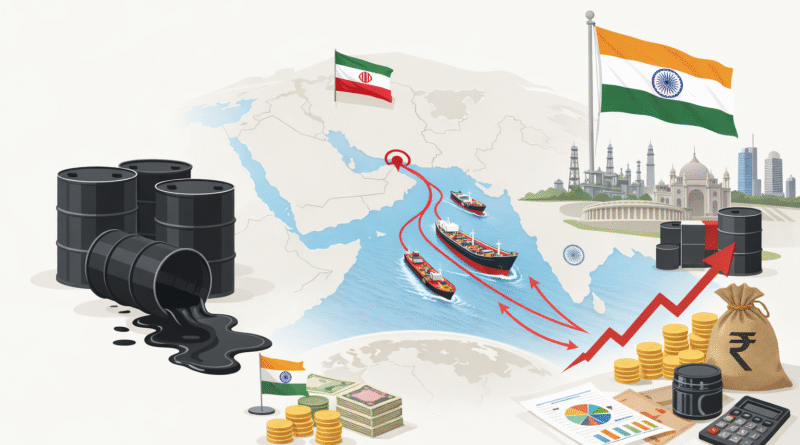
One major concern is the Strait of Hormuz, a narrow but extremely important route through which a large portion of the world’s oil is transported. With tanker movement affected, supply chains have started to tighten.
At the same time, political developments in Iran, including the rise of Mojtaba Khamenei as the new Supreme Leader, have added to global uncertainty. Markets do not like uncertainty, and oil prices are reacting quickly.
Why Oil Prices Are Rising Again
The current situation feels similar to what the world saw in 2022. Conflict in West Asia has once again pushed oil markets into panic mode.
- Supply routes are under threat
- Tankers are facing disruptions
- Some oil-producing countries are cutting output
Even though there are talks of releasing oil from strategic reserves by major economies, the relief seems temporary.
The fear is simple. If the conflict continues, supply may not meet demand.
Why India Is More Exposed Than Others
India is one of the largest oil importers in the world. It depends on imports for more than 85 percent of its crude oil needs.
A large share of this oil passes through the Strait of Hormuz. That makes India especially vulnerable.
In recent months, nearly half of India’s oil imports, around 2.5 to 2.7 million barrels per day, came through this route. These supplies mainly come from countries like Iraq, Saudi Arabia, the UAE, and Kuwait.
When this route is disturbed, India feels the impact almost immediately.
The Real Problem: Supply, Not Just Oil Prices
At first glance, rising oil prices look like the biggest issue. But right now, the bigger concern is something else. It is whether oil will be available at all.
Think of it this way. High prices hurt. But no supply can stop entire sectors of the economy.
That is why India’s focus has shifted from controlling prices to ensuring steady supply.
Why the Strait of Hormuz Matters So Much
The Strait of Hormuz is often called the world’s most important oil chokepoint. Nearly one-fifth of global oil passes through it every day.
If this route is blocked or even partially disrupted, global supply takes a serious hit.
There are alternative pipelines, but they cannot handle the full volume. Even at maximum capacity, a large part of global oil supply remains at risk.
For India, this is not just a global issue. It is a direct economic concern.
What’s Happening in Oil-Producing Countries
The situation in the Gulf is becoming more complicated.
- Oil is not moving easily due to tanker disruptions
- Storage facilities are filling up
- Some countries have started cutting production
Countries like Iraq and Kuwait have already reduced output. Others may follow if the situation continues.
There have also been attacks on oil infrastructure in the region. This has made the market even more nervous.
How Rising Oil Prices Hit India
India imports nearly 2 billion barrels of oil every year. Even a small increase in prices can have a big impact.
- A $1 increase in oil prices can add around $2 billion to the import bill
- A 10 percent rise in prices can widen the current account deficit noticeably
But the impact does not stop there.
Higher oil prices can lead to:
- Increased inflation
- A weaker rupee
- Pressure on foreign exchange reserves
In simple terms, expensive oil affects almost every part of the economy.
The Bigger Economic Picture
When fuel prices rise, transport becomes costly. This affects food prices, manufacturing, and daily expenses.
People start feeling the pressure in small ways. Groceries cost more. Travel becomes expensive. Businesses cut costs.
At the same time, global tensions add another layer of uncertainty. Investors become cautious, and markets react.
What the Government Is Doing
Despite rising global prices, the government is trying to keep petrol and diesel prices stable for now. This helps control inflation.
But behind the scenes, the real effort is focused on securing supply.
Key Steps Being Taken
1. Diversifying Oil Sources
India is increasing imports from countries outside the Strait of Hormuz. Today, about 60 percent of imports already come from alternative routes.
2. Maintaining Fuel Reserves
India currently has around 6 to 8 weeks of oil and fuel reserves. These are being continuously replenished.
3. Global Procurement Efforts
Oil companies are working with global suppliers and traders to secure additional shipments.
LPG and Natural Gas: The Hidden Risk
Oil is not the only concern.
India depends heavily on imports for LPG and natural gas as well. A large portion of these supplies also passes through the Strait of Hormuz.
To manage this:
- LPG production is being increased domestically
- Supply is being prioritised for households
- Gas supply to some industries has already been reduced
If the situation worsens, industries may have to switch to alternative fuels.
Why Supply Security Is Now the Top Priority
In times like this, the focus naturally shifts.
Earlier, the goal was to manage prices. Now, the goal is to ensure availability.
Because without fuel, transport stops. Industries slow down. Daily life gets affected.
This is why supply security matters more than ever.
Final Thoughts
The $100 oil situation is not just about rising prices. It is a reminder of how deeply connected India is to global energy routes.
The current crisis shows one clear lesson. Energy security is not just about affordability. It is about reliability.
For India, the challenge is to balance both. But in moments of crisis, ensuring supply becomes the first priority.
And right now, that priority is clear.
The Analysis Desk at ThirdPol analyses political and economic developments in Iran and their wider impact on West Asian geopolitics.