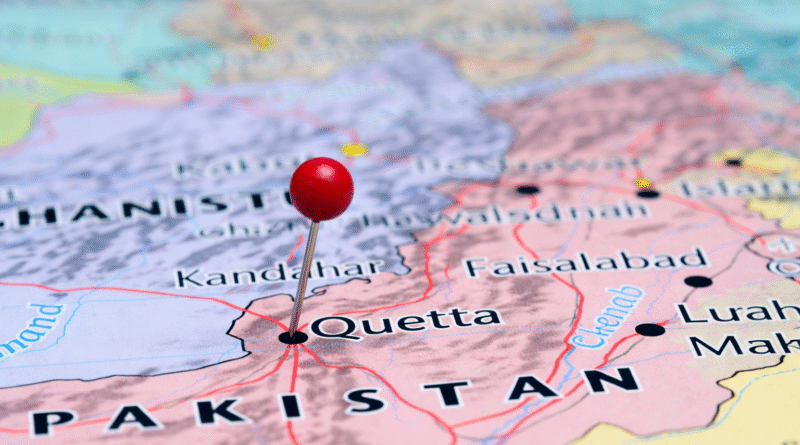
Balochistan Attack: Why Violence Keeps Returning to Pakistan
The recent Balochistan attack that killed dozens of people once again pushed Pakistan’s most restless province into the spotlight. Coordinated assaults hit security installations and public spaces. Civilians were affected. Fear spread quickly. For outsiders, it looked like another sudden eruption of violence. But for Balochis it was the continuation of a long and unresolved conflict.
A Land of Resources and Resentment
Balochistan is vast, resource rich, and strategically vital. It holds natural gas, minerals, and a long coastline. Yet, it remains one of the least developed regions in the country. Many towns still struggle with basic services. Jobs are scarce. Opportunities feel distant.
This gap between what the land offers and what the people receive has created lasting bitterness. Over time, that bitterness has turned into resistance. Every major Balochistan attack is shaped by this imbalance.
How the Conflict Took Shape
When Pakistan was formed in 1947, Balochistan was not fully integrated in the same way as other regions. The princely state of Kalat had a distinct identity and political history. Its merger with Pakistan in 1948 was deeply contested by local leaders.
That moment left a scar. The first rebellion followed soon after. Since then, cycles of insurgency and military response have repeated. Each phase ended with force. None delivered reconciliation.
More Than Just Militancy
The conflict is often reduced to militancy alone. That view misses the bigger picture. For many Baloch groups, the struggle is about autonomy, recognition, and control over local resources.
Gas extracted from Balochistan powers industries elsewhere. Ports built on Baloch land serve national and international interests. Yet many locals feel like spectators in their own region. This sense of exclusion fuels anger, especially among younger generations.
Understanding the Recent Balochistan Attack
The latest violence was not random. The attacks were planned, coordinated, and symbolic. Security forces were targeted. Infrastructure linked to state authority was chosen carefully. The message was clear. Militants wanted to show reach and relevance.
The state responded with heavy force. Operations followed quickly. Internet services were restricted in some areas. Claims and counterclaims emerged. But for ordinary people living there, the result was the same. Fear, disruption, and loss.
Development That Feels Distant
Large development projects have added another layer of tension. Ports, highways, and economic corridors promise growth on paper. On the ground, many locals feel left out.
Jobs often go to outsiders. Security around projects is intense. Villages near strategic sites feel watched rather than supported. In this environment, development is not always seen as progress. Sometimes, it becomes another reason for resistance. This is why attacks linked to such projects often gain attention and symbolism in every Balochistan attack cycle.
Human Cost and Silent Grief
Beyond strategy and politics, there is human pain. Families speak of missing relatives. Protests demand answers. Trust between the people and the state has weakened over years of fear and silence.
When force becomes the main language, dialogue disappears. Each side hardens. Violence feeds more violence.
Regional Ripples
Baloch communities live across borders in neighbouring countries. This makes the issue regional, not just internal. Tensions spill over. Accusations fly. The conflict becomes tangled with broader geopolitical rivalries.
But external factors only worsen a problem that already exists within.
Why the Cycle Continues
The lesson from decades of unrest is uncomfortable but clear. Military control alone cannot bring peace to Balochistan. Roads and ports alone cannot heal political wounds.
Until people feel heard, represented, and fairly treated, the Balochistan attack will remain a recurring reality rather than a closed chapter. Stability will not come from silence imposed by force. It will come from trust, dialogue, and justice that feels real on the ground.
For now, the puzzle of Balochistan remains unresolved. And with every new attack, the cost grows heavier for everyone involved.
—The Analysis Desk at ThirdPol writes on foreign policy, security issues and events shaping the world.