Republic Day 2026: Meaning, History, Theme, Chief Guests, and Significance
India celebrates Republic Day every year on 26 January. It marks the day when the Constitution of India came into force in 1950. This moment changed India from a newly independent nation into a sovereign democratic republic governed by its own laws. Republic Day 2026 will mark the 77th anniversary of the Republic of India. For citizens, it is not just a national holiday. It is a reminder of shared values, hard-won freedom, and the responsibility that comes with democracy.
Republic Day 2026 Celebrations
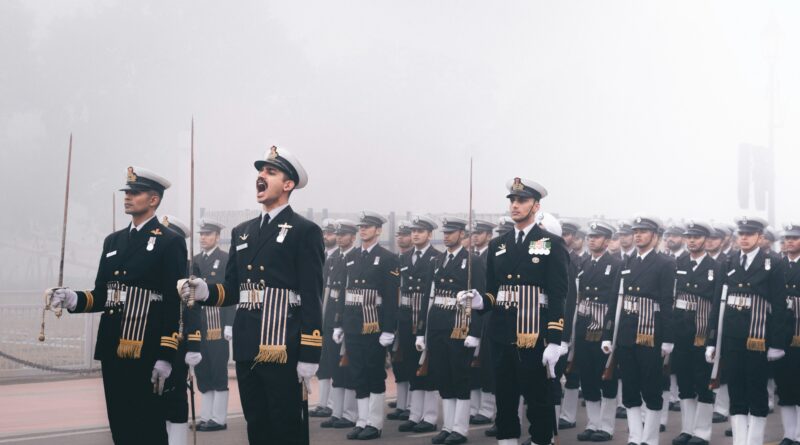
Republic Day 2026 will be observed across the country with pride and discipline. The main ceremony takes place at Kartavya Path, New Delhi.
The Republic Day parade remains the heart of the celebrations. It presents a powerful picture of India’s defence strength, cultural diversity, technological progress, and unity among states. Each year, the parade tells India’s story in colour, movement, and tradition.
Beyond the capital, schools, colleges, government offices, and Indian missions abroad also mark the day. The national flag is hoisted. The national anthem is sung. Cultural programmes bring together history, patriotism, and youthful energy.
Why Is Republic Day 2026 Celebrated?
Republic Day is celebrated to honour the adoption and enforcement of the Indian Constitution on 26 January 1950.
India became independent on 15 August 1947, but it did not yet have a permanent constitution. For more than two years, the country functioned under temporary arrangements. The Constitution gave India a clear legal and democratic framework.
The date 26 January was chosen with intention. It commemorates the Purna Swaraj Declaration of 1929, adopted by the Indian National Congress at its Lahore Session. On that day, Indians formally pledged complete independence from British rule.
Republic Day stands for:
- Supremacy of the Constitution
- Rule of law
- Democratic governance
- Equality, liberty, and justice for every citizen
Republic Day 2026 Chief Guests
The Chief Guests for India’s 77th Republic Day celebrations will be the top leadership of the European Union.
- Ursula von der Leyen, President of the European Commission
- António Costa, President of the European Council
Their visit reflects the growing depth of India–EU relations. The leaders will be in India from 25 to 27 January 2026 and will also co-chair the 16th India–EU Summit.
Discussions will focus on trade, technology, security, climate cooperation, and global governance. Several other international leaders are also expected to attend parts of the Republic Day celebrations.
Republic Day 2026 Theme
The theme of Republic Day 2026 continues to reflect India’s long-term national vision.
- Viksit Bharat (Developed India)
- Bharat – Loktantra ki Matruka (India, the Mother of Democracy)
These ideas connect India’s future goals with its democratic roots. The focus is on building a developed nation by 2047, while respecting traditions that stretch back centuries.
The themes come alive through tableaux presented by States, Union Territories, and central ministries. These displays highlight governance reforms, cultural heritage, innovation, and inclusive growth.
Republic Day History
- Lahore Session of the INC (1929): Under the leadership of Jawaharlal Nehru, the Indian National Congress adopted the Purna Swaraj resolution on 19 December 1929.
- Proclamation of Complete Independence: The resolution rejected British authority and affirmed India’s right to self-rule.
- 26 January as Independence Day (1930–1947): Before independence, freedom fighters observed 26 January as Independence Day across India.
- Constituent Assembly (1946): A representative body was formed to draft India’s Constitution.
- Adoption of the Constitution (1949): After nearly three years of debate, the Constitution was adopted on 26 November 1949.
- India Becomes a Republic (1950): On 26 January 1950, the Constitution came into force and Dr. Rajendra Prasad became India’s first President.
- First Republic Day Parade: Held in New Delhi, it symbolised the transfer of power from colonial rule to the people.
Over the decades, Republic Day has evolved into a national showcase of unity, strength, and democratic continuity.
— Editorial Desk, ThirdPol. Observing India’s democracy through facts, context, and history.